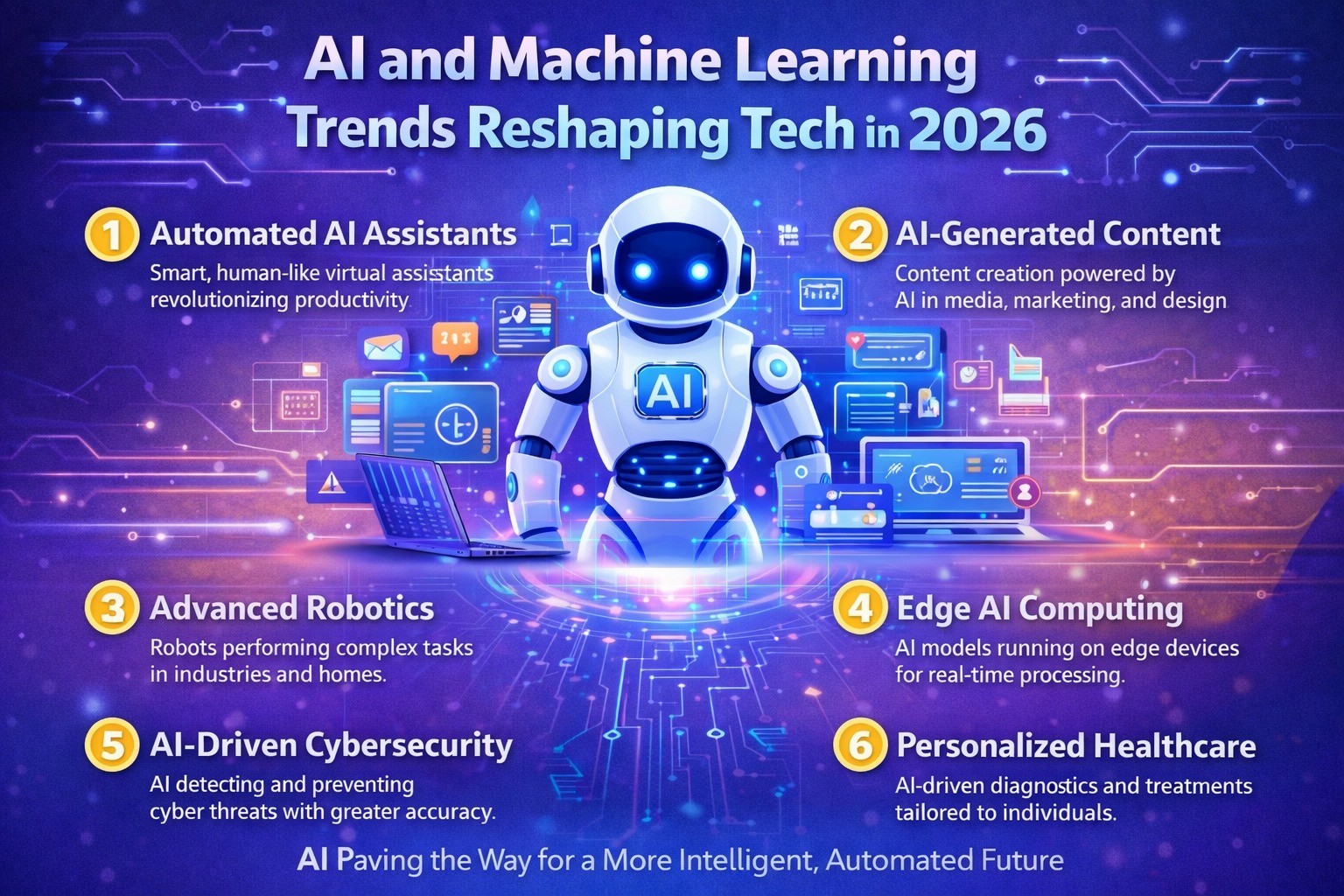
The Future is Now: 7 AI and Machine Learning Trends Reshaping Tech in 2026
7 min read • Technology Trends

Remember when building a website was mostly about HTML and a bit of CSS? Fast forward to today, and the landscape feels almost unrecognizable—and thrilling! If you're a student or beginner in 2026, you're stepping into a field that's more dynamic, creative, and in-demand than ever. But with so many tools and trends buzzing around, where do you even start? Don't worry. This guide is your friendly map to the modern web development world. We’ll cut through the noise and explore exactly what you need to learn to build not just websites, but incredible digital experiences.
Let's get this straight: the web isn't just a place for brochures anymore. It's the backbone of our daily lives. From the apps on your phone (which often use web tech!) to complex business platforms, everything is connected through the web. In 2026, this reliance has only deepened. Businesses aren't just "going digital"—they are digital. This means the demand for skilled developers who can build fast, secure, and user-friendly applications is skyrocketing. For you, this translates to one thing: opportunity. Learning web development is like learning to build the very infrastructure of the future.
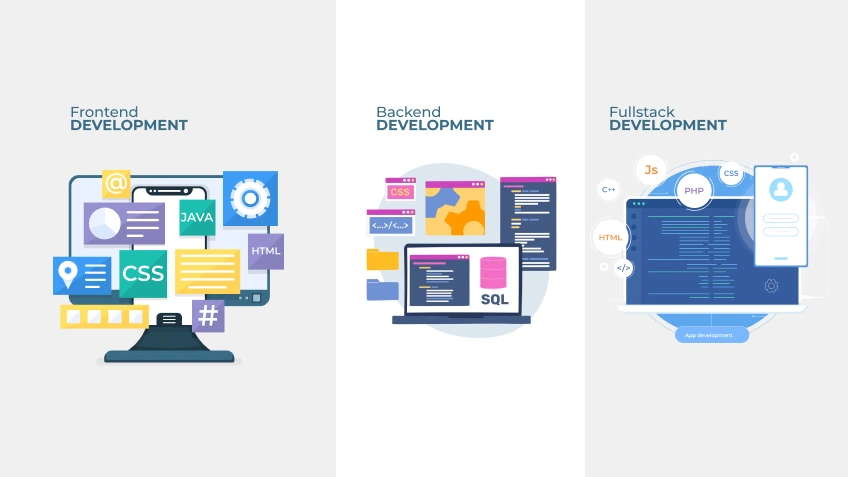
Gone are the days of a one-size-fits-all tool. Today's developers have a specialized toolkit for each part of the job.
The frontend is all about the user experience. It's the art and science of what people interact with directly.
If the frontend is the car's interior and controls, the backend is the engine, transmission, and fuel system.
You need a reliable place to store user information, product catalogs, and more.
Building an app is only half the battle. You need to launch it and keep it running.
Staying relevant means keeping an eye on where the wind is blowing.
Beyond specific tools, cultivate these core skills:
The tech industry's appetite for web developers is immense. Roles include:
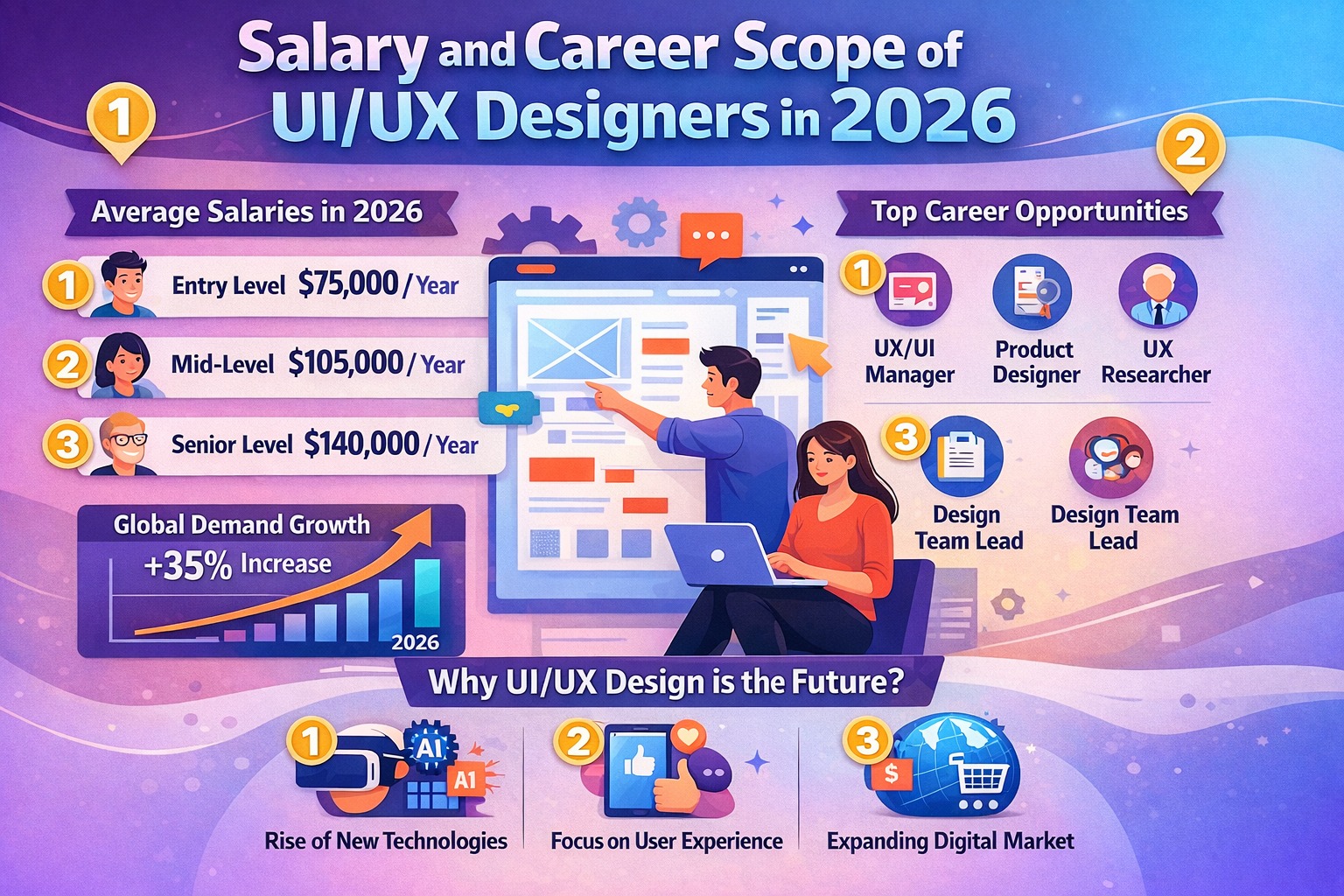
While salaries vary by location and experience, they are consistently among the highest for entry-level technical roles. In 2026, a skilled junior developer can command a very competitive starting salary, with significant growth as you specialize. The real value? Career resilience. Every industry needs web developers.
Feeling overwhelmed? Start small and stay consistent.
The world of web development in 2026 is exciting, challenging, and full of potential. The tools will change, and new trends will emerge, but the core cycle remains the same: learn, build, solve problems, and repeat. You don't need to know everything today. You just need to start. Pick one thing from this guide and dive in. The web is waiting for what you'll build.
1. I'm a complete beginner. Is it too late to start learning web development in 2026?
Absolutely not! The demand for developers continues to grow faster than the supply. The fundamentals you learn today will remain valuable for years, and the industry always needs fresh, enthusiastic talent. There's no better time to start than now.
2. Do I need a computer science degree to become a web developer?
While a degree can be helpful, it's not a strict requirement. The industry highly values skills and a strong portfolio. Many successful developers are self-taught or have completed bootcamps and online courses. Your ability to demonstrate practical knowledge through projects is key.
3. Should I learn AI and machine learning to be a web developer?
A basic understanding of how to integrate AI services (like APIs for language models or image recognition) into web apps is becoming a valuable skill. However, you don't need to become an AI scientist. Focus on using AI as a tool within your development workflow.
4. What's more important: learning many tools or mastering a few?
Depth beats breadth early on. It's better to be highly proficient in one frontend framework and one backend language than to have superficial knowledge of a dozen. Once you have a strong foundation in one stack, learning others becomes much easier.
5. How do I stay updated with the fast-paced changes in web development?
Follow key developers and organizations on platforms like Twitter/X or LinkedIn. Read publications like Smashing Magazine or CSS-Tricks. Most importantly, stay curious and be willing to tinker with new technologies in your side projects.
Ready to write your first line of code? Don't just read about it—do it! Block out one hour tonight, open a free code editor like VS Code, and follow a tutorial to build a simple personal homepage. That first "Hello, World" moment is magical. Start your first project today!
7 min read • Technology Trends
6 min read • UI/UX Design
18 min read • Web Development
15 min read • Mobile Development